
Protein exists as a genuine ‘food’ source consisting of amino-acids (individual proteins) joined in a chain with a nitrogen molecule on each end. Examples of
When this protein is digested in the fore-gut (small intestine) it is broken down into its individual amino acids and nitrogen. These are subsequently reconstituted into the proteins of the various body tissues such as muscle, skin, hair, hooves. If too much protein is fed, amino acids and nitrogen are floating around which are surplus to requirements. Then the
The horse’s diet needs to contain an appropriate level of crude protein with access to essential and limiting amino acids. Protein is critical to good health,
Problems occur when excessive crude protein and non-protein nitrogen(NPN) is ingested. Horses are not adapted to high nitrogen forage. In the comparatively infertile regions where they live in the
In the domestic environment excess nitrogen comes from :
Fertilised soils- Frequent harrowing of manure
- Climatic conditions: droughts, frosts, rows of cloudy days, cool night-time temperatures
- Spring and Autumn pastures
- Actively growing grass, stressed or over grazed pasture
- Excessive clover which is a nitrogen-fixer
- Excessive Plantain which is a nitrogen accumulator
- Immature grass after a drought-breaking rain
Any one of these, let alone a combination can result in crude protein levels well in excess of 20%. In scientific studies on the
Whilst the organisms of the horses’ microbiome require some nitrogen in order to function optimally it is a delicate balance. Excess nitrogen can act as a ‘fertiliser’ on the hind-gut flora and cause uncontrolled growth that disrupts this delicate balance.
Be mindful of the issues that excess nitrogen in the diet can cause and work to
- Avoid
fertilising withfertilisers that contain Nitrogen (NPK, Urea, Chicken Manure) - Avoid frequent harrowing of manure over the pasture. Occasional harrowing is fine but be mindful that you are spreading nitrogen. By
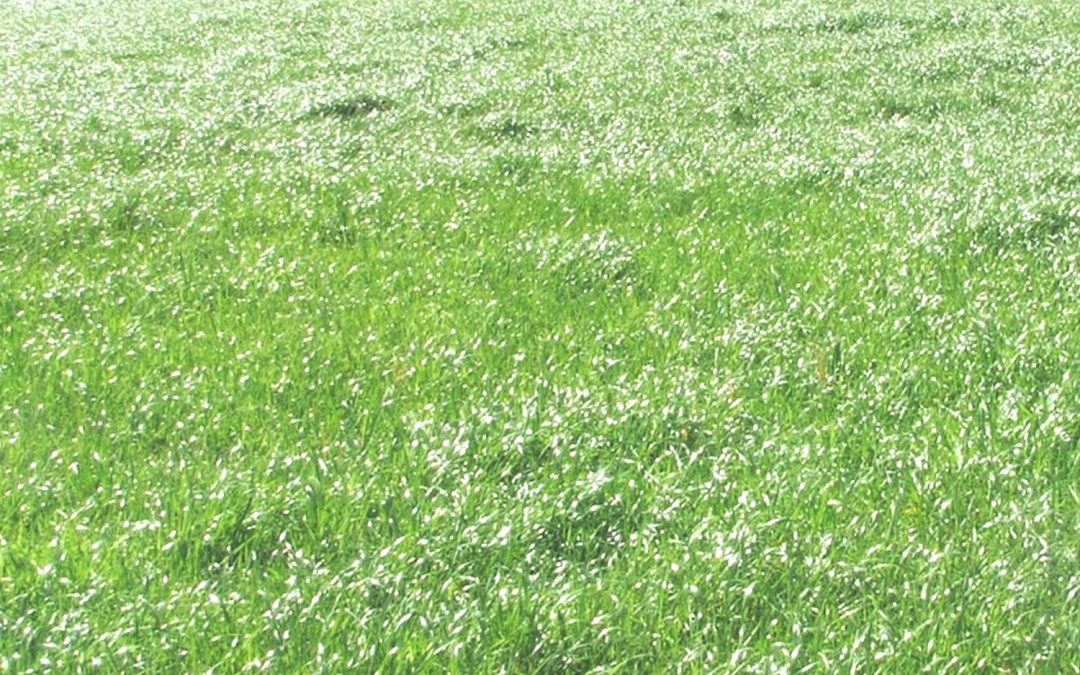
choice horses avoid consuming grass growing on high nitrogen areas where they have dropped their manure. You will see this grass grows dark green due to the high nitrogen content. Grass that is lacking tends to look yellowish.
How does excess protein/nitrogen affect your horse?
Many of the issues we term grass affected are inter-related with excessive protein and nitrogen in the diet. Along with the problem of excessive potassium creating imbalances within the macro mineral profile required by the horse, dealing with excessive protein and nitrogen adds to the negative load on the
In particular, when excess protein is available for energy, its processing generates three to six times more heat than that generated from
By following our feeding protocols you can avoid exposure to excessive protein and nitrogen in the diet. Feeding mature grasses and good horse hay along with a very simple balanced bucket that avoids nitrogen loading feedstuffs will automatically reduce the
Remember that individual horses have differing requirements. The quality of forage that may be fed to avoid the issues listed on the Health Checklist, including head-shaking or laminitis, will require that attention is paid to supplying just the right amount of quality protein. This is why we recommend that compromised horses are fed our Premium MVA vitamin, mineral and amino acid supplement along with our other management protocols.